Hearing is an essential part of human experience, enabling communication, connection, and the enjoyment of life’s rich auditory landscape. When hearing is impaired, even slightly, it can affect relationships, professional life, and mental well-being. Hearing aids have become a revolutionary solution for millions of people experiencing hearing loss, 弱聽原因 offering a path to better communication and improved quality of life. These devices are no longer just simple amplifiers—they are sophisticated tools that integrate modern technology with personal needs to restore the vital sense of hearing.
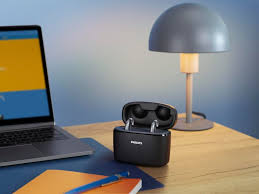
Hearing aids are small electronic devices worn in or behind the ear that help people hear sounds more clearly. They are designed to compensate for hearing loss by amplifying sound in specific frequency ranges, making speech, environmental sounds, and media more accessible. Modern hearing aids are highly customizable, tailored to the unique hearing profile of each individual. The technology behind these devices has advanced dramatically over the years, allowing users to enjoy natural sound quality while minimizing background noise and feedback.
One of the most striking features of contemporary hearing aids is their digital capability. Unlike the analog devices of the past, digital hearing aids can process sounds intelligently. They amplify important sounds like speech while reducing irrelevant noise, making social interactions easier and more comfortable. Many models now come with wireless connectivity options, including Bluetooth, allowing users to stream phone calls, music, and television audio directly to their hearing aids. This integration transforms the devices from simple hearing enhancers into versatile tools for daily life, blending seamlessly with modern technology and lifestyle needs.
The benefits of hearing aids extend far beyond sound amplification. Hearing loss can lead to feelings of isolation, depression, and cognitive decline if left untreated. By restoring the ability to hear, hearing aids enable individuals to actively participate in conversations, maintain relationships, and engage in community activities. Improved hearing also has a positive impact on mental and emotional well-being. Studies indicate that using hearing aids can reduce the risk of cognitive decline in older adults by keeping the brain engaged through consistent auditory stimulation. Additionally, better hearing often enhances self-confidence and independence, allowing individuals to navigate life with greater ease and security.
Selecting the right hearing aid involves careful evaluation and professional guidance. Audiologists perform comprehensive hearing assessments to determine the type and degree of hearing loss, then recommend devices that meet the user’s requirements. Factors such as lifestyle, dexterity, cosmetic preferences, and budget influence the final choice. Behind-the-ear models offer durability and versatility, while in-the-ear devices provide discreet comfort. Recent advancements include rechargeable batteries, water-resistant designs, and adaptive sound processing, making hearing aids more convenient and durable for everyday use. Proper fitting and adjustments ensure the device performs optimally and meets the specific hearing needs of the user.
Effective use of hearing aids requires knowledge and practice. Users must learn to insert and remove the devices correctly, adjust settings appropriately, and maintain them regularly. Cleaning and protecting the devices from moisture and earwax are essential for maintaining sound quality and prolonging device lifespan. Routine visits to an audiologist ensure that the hearing aids remain calibrated and effective as hearing needs change over time. These steps empower users to experience maximum benefit from their devices, ensuring a smoother transition and improved hearing outcomes.
Hearing aids have a profound impact on both children and adults. In children, early identification and intervention for hearing loss are critical for speech, language, and cognitive development. Properly fitted hearing aids allow children to acquire communication skills on par with their peers, supporting educational and social growth. In adults, especially older individuals, hearing aids improve quality of life, enhancing social interactions, safety, and mental engagement. They reduce the risk of isolation, allowing individuals to maintain independence and continue participating in daily activities with confidence.
Despite their advantages, many people delay using hearing aids due to stigma, cost concerns, or lack of awareness. Some believe that hearing aids are only necessary for severe hearing loss, overlooking the benefits of early intervention. Addressing these misconceptions is vital to improving adoption rates. Education, accessible healthcare, and innovative designs that emphasize comfort, style, and functionality can help reduce barriers and encourage more people to seek help. Financial support and insurance coverage also play a critical role in making hearing aids accessible to a broader population.
The future of hearing aids promises even greater enhancements. Advances in artificial intelligence and machine learning are enabling devices to adapt automatically to various listening environments. Miniaturization allows for smaller, more discreet designs without sacrificing performance. Furthermore, hearing aids are beginning to integrate with other health monitoring tools, potentially offering additional benefits such as tracking physical activity and overall wellness. These innovations continue to expand the possibilities of hearing aids, transforming them into multifunctional devices that support not only hearing but overall quality of life.
In conclusion, hearing aids are powerful instruments that go beyond sound amplification—they restore connection, communication, and confidence. Modern hearing aids combine advanced technology, professional customization, and practical usability to provide meaningful improvement in everyday life. For those experiencing hearing loss, these devices offer more than just hearing—they offer a chance to participate fully in life, engage socially, and enjoy the richness of sound. By recognizing the importance of hearing and embracing the potential of hearing aids, individuals can reclaim a world of sound and enhance their overall well-being.